

WASTE NOT: Go green and reduce food waste by up-cycling your leftovers
Updated: May 20
With Earth Day upon us and food costs skyrocketing, there's no better time to learn to cook like a chef — up-cycle your leftovers to reduce food waste and go green.
Words and Photos
By CINDA CHAVICH
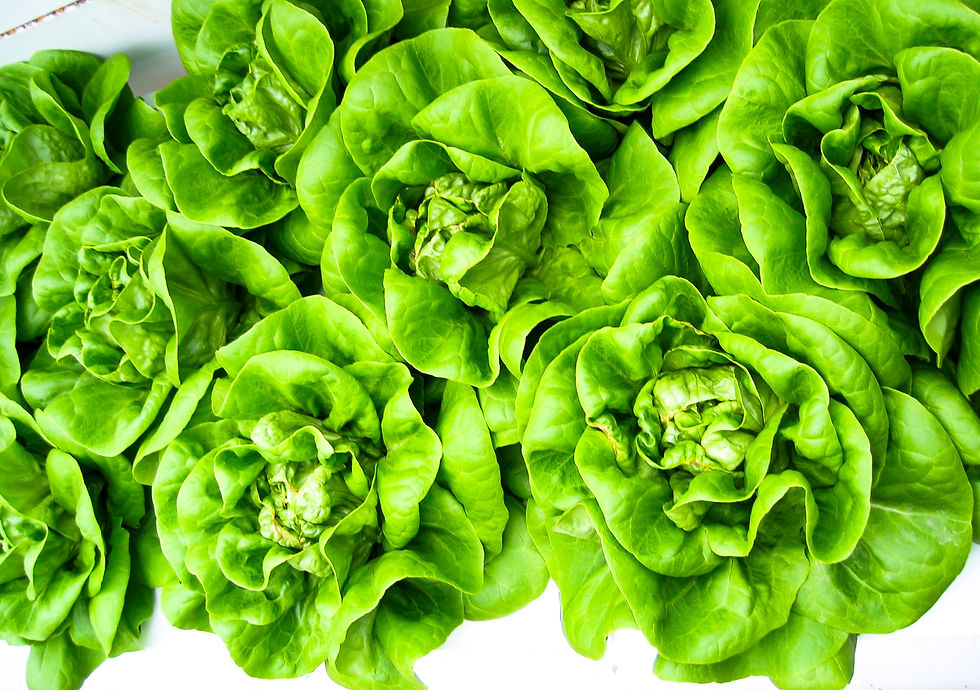
Food waste is a major issue — a waste of money and the planet’s finite resources.
It’s also major contributor to global warming. All of that organic waste that we’re sending to landfills produces methane, a greenhouse gas that’s 20 times more damaging to the ozone than carbon dioxide.
And that methane from wasted food accounts for more than 10 per cent of global greenhouse gas emissions.
If food waste were a country, it would be the third largest greenhouse gas emitter on the planet, after China and the U.S.
It all adds up to global warming and climate change, the triggers for drought, forest fires and floods.
It's a sobering reality, but it’s a reality we can all help to reverse, with small changes at home.
HOW FOOD IS WASTED

Our over consumption and waste of food, and the precious resources, water and agricultural land required to produce it, needs to stop. But if we all do our part, things can change, and very quickly, too.
In the US, 40 per cent of the food that's produced is ultimately wasted, which is a contributor to the high cost of food. In fact, it's estimated that the average American family wastes $1,600 worth of food each year (that's nearly $2,200 Canadian dollars!)
Half of the food that’s wasted is lost from farm to fork, in the food harvesting, processing, transportation and retail grocery sectors. But half of it is lost in our own homes, because we buy too much food and we’re quick to discard it – often because we don’t understand best before dates, simple cooking, storage and preservation techniques.
While the best solution to reducing food waste is buying less perishable food when we shop, and shopping more often, it’s not always possible in our sprawling suburbs and busy lives.
The fact is, we can’t all shop just down the street, every day, at a local market. But we can be smarter about what we cook, and how we recycle —or up-cycle — a weekly main dish into several subsequent meals.
HOW TO UP-CYCLE LEFTOVERS
I'm here to tell you that it's the way I cook all the time — like a chef who must be careful about food costs and use everything in the cooler to create something exciting and interesting for discerning diners.
Extra greens, purchased fresh in season, go into salads, pesto, creamy soups and sauces. Pre-cooked or prepped ingredients reappear in high value dishes — steak or roast sliced thin for toasted sandwiches with blue cheese sauce, day old artisan bread the base for tomato bruschetta, vegetable scraps and bones collected to make the rich stocks that are the backbone of the best soups, sauces and risotto.
If you've cooked a chicken, a roast or a whole side of salmon today, made a batch of homemade tomato sauce or pot of chili, you likely have leftovers. And that pre-cooked (a.k.a. prepped protein or sauce) is like money in the proverbial bank, that makes cooking your next meal much easier and more exciting.
Think of those leftovers as high quality, homemade convenience foods, ready to morph into new meals in an instant. It’s how the best chefs create exciting new dishes while keeping their food costs in check and cooking delicious dishes a la minute.
You’ll never see yesterday’s rice, your windfall of zucchini, or that ham bone the same way again!
SCROLL DOWN FOR MY RECIPES TO UPCYCLE A PORK SHOULDER ROAST:
PULLED PORK BUTT WITH MUSTARD SAUCE
PINEAPPLE PORK FRIED RICE
MOO SHU PORK
SPINACH, PORK AND POBLANO TORTILLA CASSEROLE
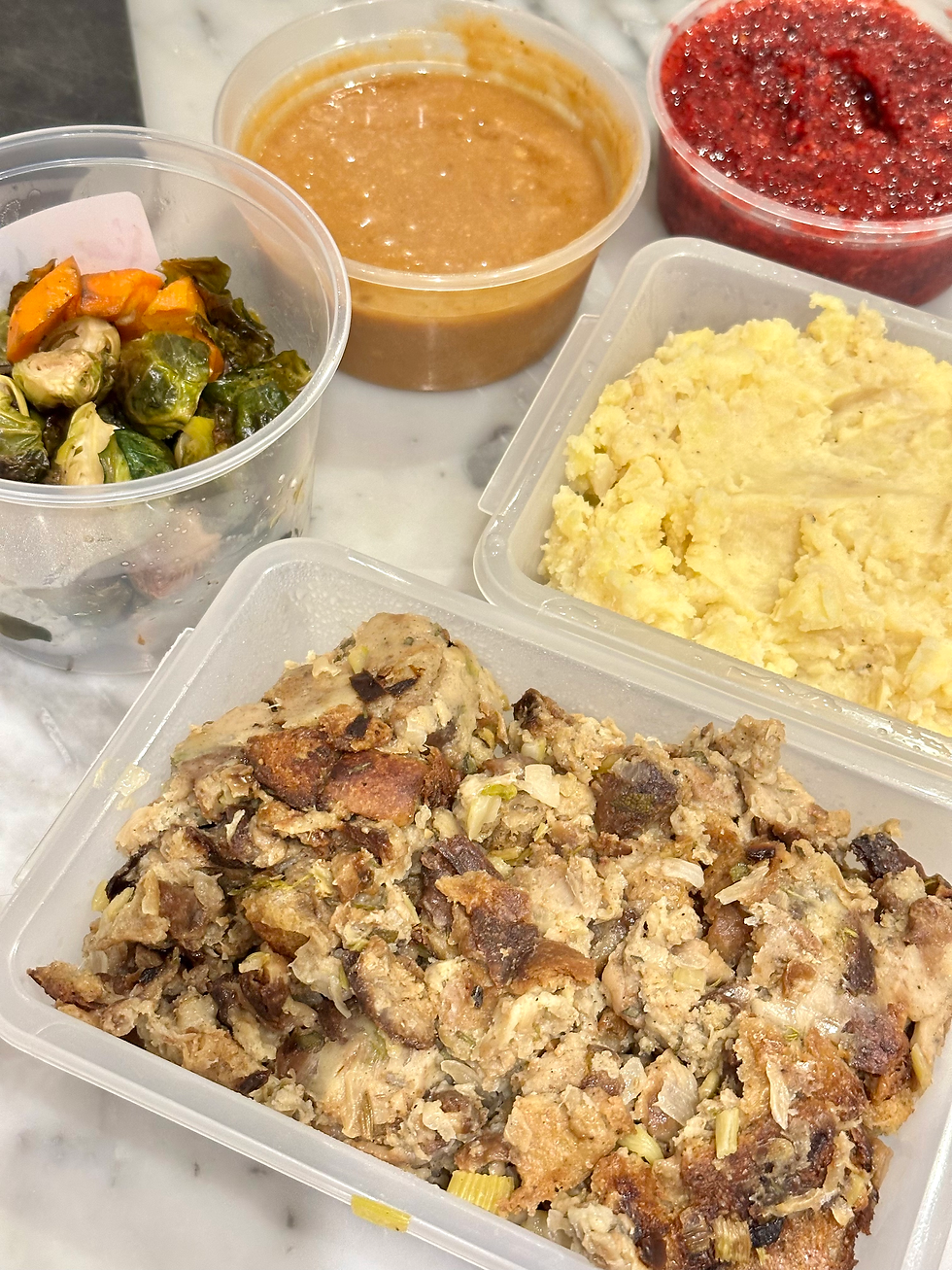
CLASSIC PEASANT RECIPES TO STRETCH FOOD BUDGETS
Many of the world’s finest recipes were born of necessity, the work of a creative cooks working with limited resources and what they found in the fridge from the night before.
These thrifty home cooks and restaurant chefs used the food at hand, bits of stale bread, ends of cheese, scraps and leftovers, to create dishes that exceeded the sum of their parts. Many recipes that originally came from a need to recycle — Chinese fried rice, bread puddings, gnocchi, frittata, even caneles and meringues — are now cooked from scratch, not from leftovers. But when you have leftover cooked meats, cold rice or potatoes, it makes cooking something new faster and easier.
All of these classic combinations illustrate the fact that recycling leftovers need not be boring. Learning to cook once, and eat twice or thrice, can stretch your family food budget. And you never have to eat the same thing two days in a row. Learn to eat well by learning to reuse and recycle in the kitchen.
FIVE TIPS TO REDUCE FOOD WASTE AND SAVE MONEY
COOK FROM SCRATCH
One upside of the pandemic is that staying home meant more people had to cook from scratch, and post pandemic studies show that many planned to continue cooking more at home. Cooking from scratch saves money because you're not paying for processing and packaging, and the results are better, made with whole ingredients and no preservatives or excess sugar and salt. If you have a plan for the week ahead and start with a main ingredient that can morph into other meals, you're saving money and time, too.
MAKE DO WITH WHAT'S ON HAND
Don't feel that you must follow recipes to the letter — improvise if you don't have the exact ingredient on hand. Let yogurt or sour cream stand in for mayo, use vinegar or wine instead of lemon juice, substitute any aged hard cheese (Gruyere, Asiago, Comte, Manchego) for Parmesan), replace some eggs in baked goods with mashed bananas or pumpkin puree, swap cabbage for bok choy, chard or beet greens for spinach, and include any allium in your dish (whether yellow onions or shallots, leeks or green onions).
SHOP IN SEASON
When you buy what's local and in season, it's usually plentiful and much cheaper than off-season imported produce. Don't shop with a recipe but rather look for what's fresh at the market (or on sale this week), then build your meal from the ingredients up. I call this "cooking backwards" — letting the ingredients inform the menu or the dish you decide to cook, rather than the other way around.
Go direct to local farms or farmer's markets to support your local food economy and get the freshest produce (it will also last the longest once you get it home). And save more money by choosing "imperfect" fruits and vegetables — which usually simply means those that are considered too small or too large to be "perfect" for big supermarkets.
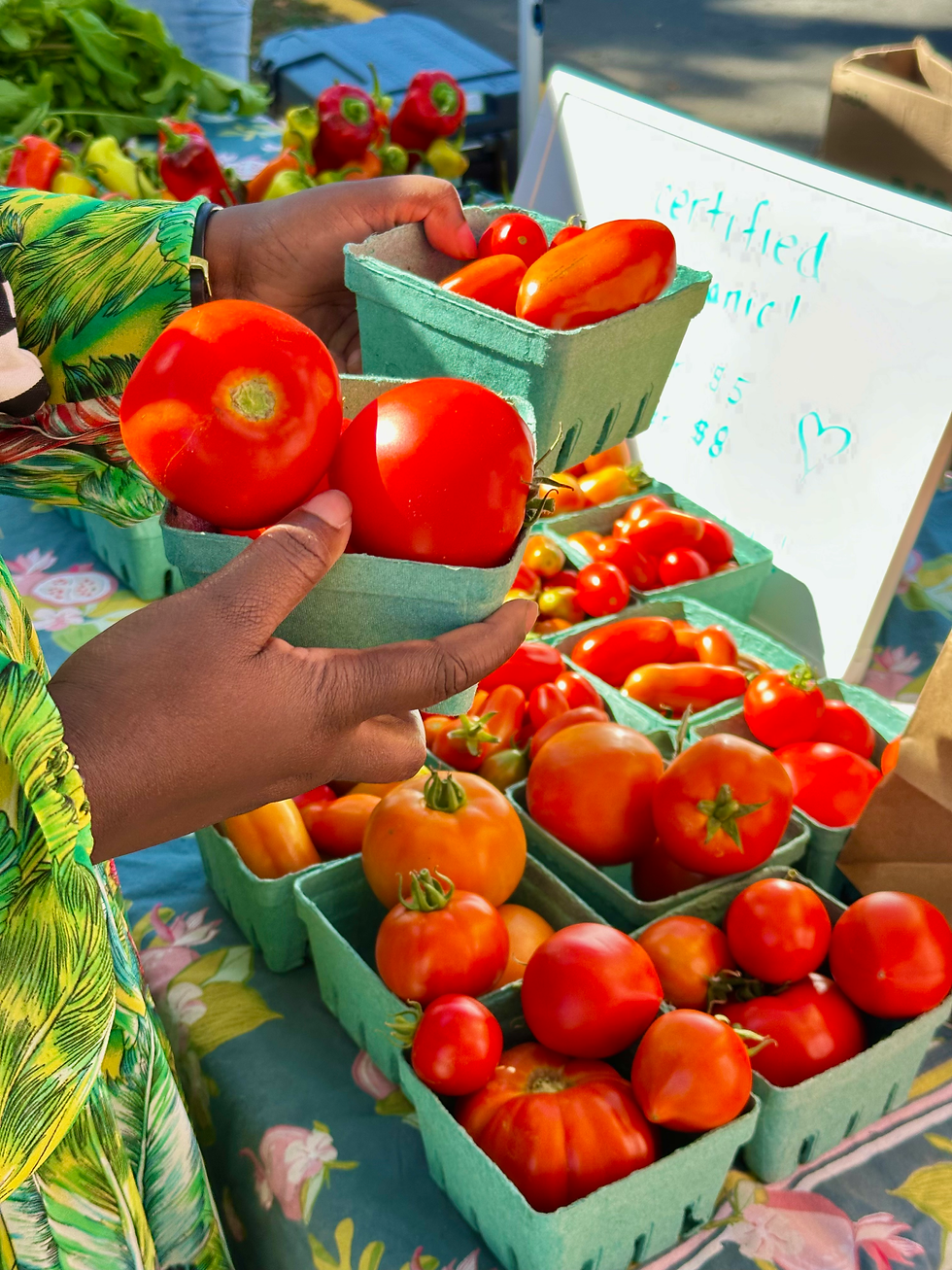
Shop in season for locally-grown produce — it tastes better, lasts longer and has fewer "food miles." STORAGE AND PRESERVING
When you have leftovers, keep them together on one shelf in the refrigerator, preferably in clear, stackable containers so you know what's there to reheat for lunch or repurpose into another dish.
Collect and freeze bones and scraps for stocks. Freeze leftover sauces and soups (homemade or commercial tomato sauce, or chicken stock, etc.). Remember to label and date containers.
A vacuum sealer is a lifesaver at home (and in professional kitchens) to save money and time. Buy meats and poultry in bulk then, portion, vacuum pack and freeze. Frozen food lasts for months. You can also vacuum pack anything from coffee to crackers to maintain freshness.
And think about other food preservation methods — whether pickling, fermenting, smoking or drying — to extend the shelf life of fresh ingredients and prevent waste.
THE 2.0 SOLUTION — RECYCLE, REPURPOSE AND USE IT UP FIRST
Always ask yourself: "What can I do with this (cooked food in the fridge)".
Those roasted vegetables are perfect to toss with pasta and fresh herbs or pesto for dinner. The pulled pork you slow-cooked on the weekend will make a great addition to fried rice or tortilla wraps.
When the cherry tomatoes are looking too squidgy to serve fresh in a salad, you can toss them with olive oil and salt, and roast them in a hot oven for a quick fresh tomato sauce or brushetta topping. Ripe fruits chopped and cooked together with sugar (and/or vinegar) can make a sweet or savoury sauce to serve with ice cream, pancakes or pork chops.
And never throw out that beautiful artisan bread — even a stale loaf makes lovely crostini toasts, croutons, breadcrumbs or a tasty bread pudding.
Gather all of week's vegetables still left in the fridge on Friday and make a fast stir fry with ginger, garlic and a splash of soy and oyster sauce, or chop and simmer with chicken stock for a hearty homestyle soup (think borsch, Tuscan beans and greens soup, a creamy roasted vegetable puree, or a chunky vegetable soup with noodles or leftover rice).
If you've got to much of something in the refrigerator, or it looks like it might only have a few days of freshness left, figure out a way to use it up in a new and enticing dish. It's "Clean out the Fridge Friday" and whether it's your special mixed vegetable curry, fried rice, frittata, quiche or a "fasta pasta" dish, even a random collection of ingredients can make marvelous meals.

Leftover roast pork morphs into Moo Shu Pork to serve with Chinese Onion Pancakes
COOKING BACKWARDS WITH "MOTHER" RECIPES
With a mantra to use what’s on hand before venturing out to shop, there’s a new creative side to my cooking. I call it “cooking backwards” or The White Box Challenge — like those competitive TV chefs, every day we open the white box (refrigerator), see what needs to be used up, and create a meal with what’s at hand.
You can use a similar technique when shopping through your own freezer or pantry. Challenge yourself to pull out three random ingredients and imagine what you can cook. Use the power of your computer and Google for inspiration, turn to a chef cooking on YouTube, or just crack open some of your favourite cookbooks.
Then resolve to learn to cook something you love to eat.
Of course, it’s easiest if you start with classic combinations — think tomatoes, garlic, oregano or basil for a Greek or Italian-inspired dish, or soy sauce, garlic, ginger and sesame oil for an Asian meal. Mixed vegetables can become a Thai feast with a little curry paste and coconut milk.
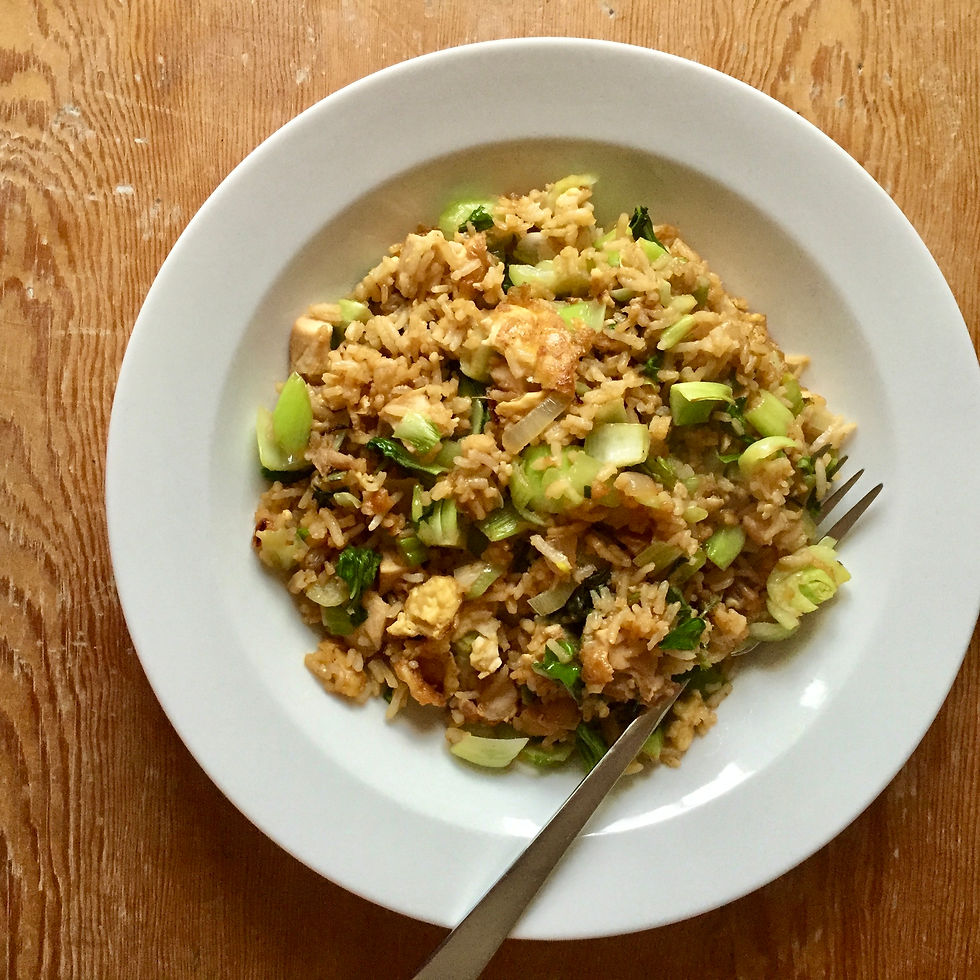
Remember, many of the dishes we love — whether it's risotto, bouillabaisse, pizza, frittata, stir-fries, curries or stew — trace their roots to peasant cuisine, and cooks around the world devising something delicious with a few humble ingredients.
Most of these dishes are endlessly adaptable, too. So if you learn a few techniques and some of these “mother recipes” — the way old country mothers and nonnas cooked to stretch their limited, seasonal ingredients — you can turn almost anything into an easy and admirable meal.
EASY RECIPE IDEAS FOR UP-CYCLED MEALS
Building new dishes out of leftover proteins is a great way to approach home cooking, with an eye to saving money and eliminating food waste.
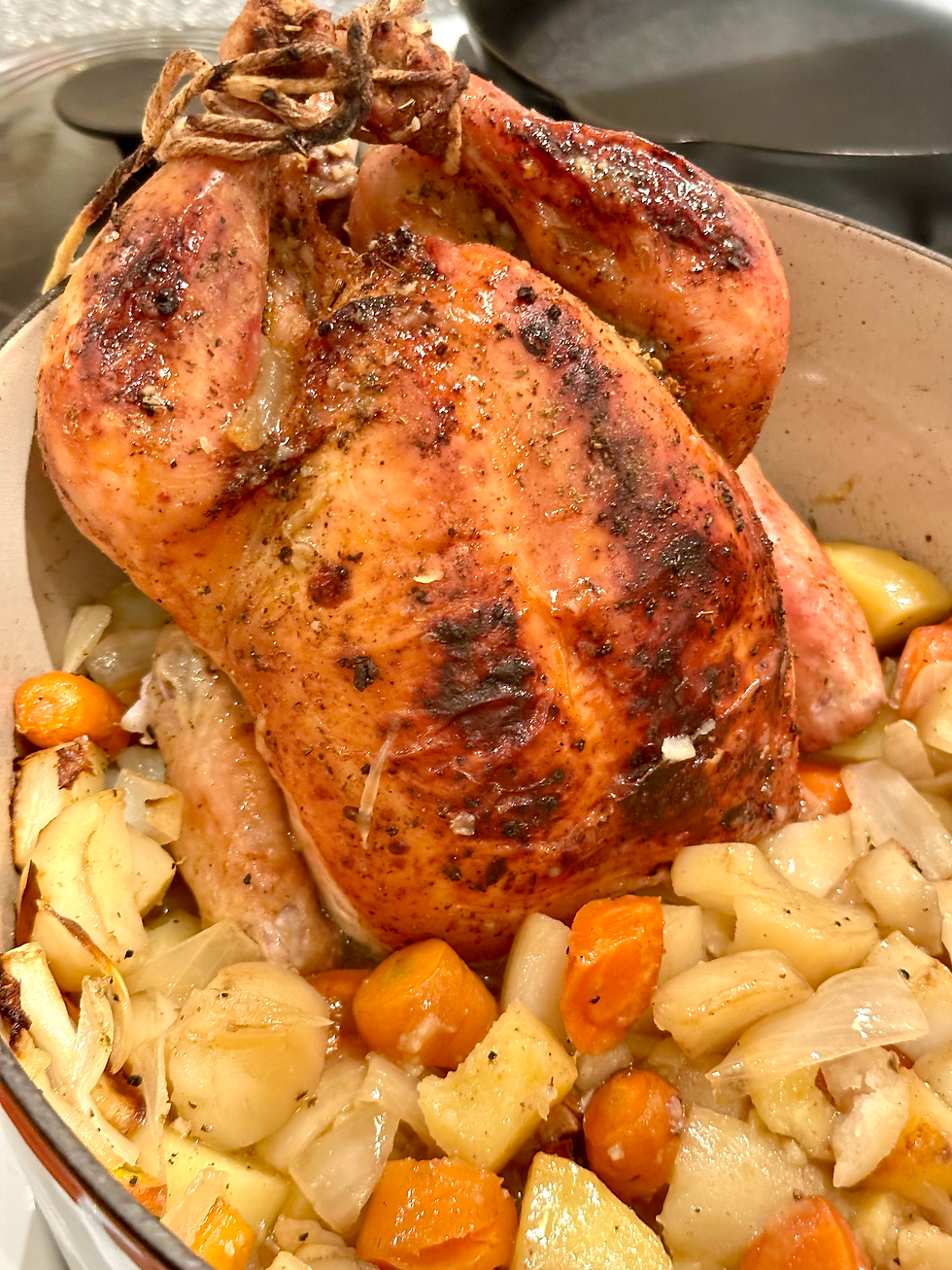
Think about starting with a weekly feast of roast chicken or beef, grilled salmon or smoky pulled pork butt, then building new dishes around your leftover proteins. You never need to eat the same think two days in a row, and no one will complain about eating leftovers when you turn your roast chicken leftovers into Thai Chicken Salad or chicken tacos with and avocado salsa.
A big pork shoulder, slow-roasted into luscious pulled pork on the barbecue (or in a low oven), makes hearty sandwiches, pineapple pork fried rice, or a cheesy corn tortilla casserole
Or mix up a double batch of your favourite meatloaf and use half to make meatballs. You’ll have the makings of several weekday meals — meatloaf and mash, meatloaf sandwiches, spaghetti and meatballs, or meatball and new potato stew.
Slice leftover grilled steak to top a salad, add to a Vietnamese Bahn Mi sandwich, or stretch it in a big broccoli and beef stir fry.
Here are a few ideas for a week's worth of up-cycled dinners.
ROAST CHICKEN
Chicken Pot Pie
Ramen (with chicken stock from carcass)
Thai Chicken Salad
ROAST BEEF
Shepherd’s Pie
Hot Roast Beef Sandwiches
Beef and Barley Soup
GRILLED SALMON FILET
Pasta with Braised Leeks and Salmon in Cream Sauce
Salmon Salad Sandwiches
Composed Salmon Nicoise Salad
WHOLE ROASTED HAM
Ham and Split Pea Soup
Toasted Ham and Cheese Panini Sandwiches
Country Ham Pate
Egg Foo Yong
COOKED RICE
Fried Rice
Greek Chicken and Rice Soup with lemon
Rice pudding
Congee
COOKED BEANS OR CHICKPEAS
White Bean Slather with Goat Cheese
Bean Soup or Minestrone
Hummus
GRILLED STEAK
Philly Cheese Steak Sandwich
Asian Salad with Grilled Beef
Crispy Chinese noodles with beef and broccoli
SLOW ROASTED PORK SHOULDER
Pulled pork sandwiches
Pork Rilettes
Pork and Pineapple rice
GRILLED TUNA
Salad Nicoise with olives and green beans
Fish tacos with fresh tomato salsa
Spaghetti with tuna, anchovies, garlic, capers
RECIPES:
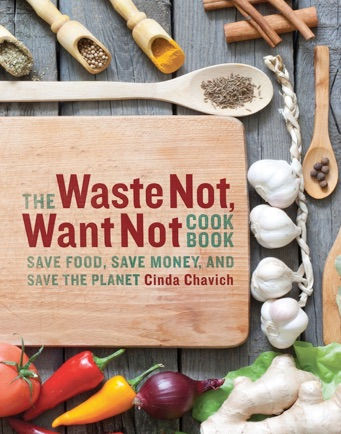
In my award-winning book dedicated to reducing food waste — The Waste Not, Want Not Cookbook (Touchwood Editions) — there are sections devoted to a wide variety of fresh ingredients, with quick ideas and recipes to use them up. But there's also a section devoted to the idea that you can cook one large piece of protein on the weekend (a whole chicken, roast, flank steak, side of salmon, etc.) and have great meals using the leftovers all week.
This is the section, pulled directly from The Waste Not, Want Not Cookbook, about buying an inexpensive cut of meat — a pork butt or shoulder roast — to slow roast for hours in the oven (or on the smoker) until it's so tender that it pulls apart into tasty shreds to use in pulled pork sandwiches and other meals.
The following recipes all start with leftover roast pork but as you will see, most work well for leftover chicken or turkey, too.
START WITH PORK ROAST (OR ROAST CHICKEN/TURKEY):
PULLED PORK BUTT WITH MUSTARD SAUCE
Pork butt is the perfect cut to smoke, naturally larded with just enough fat to keep it moist and juicy for hours on the grill, even if you accidentally let the heat rise above the magic 225ºF mark.
If you don't have a smoker, you can slow roast the pork butt in the oven at 225-250 F for several hours until it reaches the appropriate interior temperature, with internal fat rendered. You can also cover the roasting pan with foil during the final two hours of cooking to keep the meat moist.

1 pork butt or shoulder, bone in, about 3 pounds/1.5 kg (leg is too lean for this process)
1/4 cup (50 ml) regular ballpark mustard such as French's (don't use fancy Dijon, it doesn't contain enough sugar)
Dry Rub:
1 tablespoon (15 ml) salt
1/4 cup (50 ml) white sugar
2 tablespoons (25 ml) each: brown sugar, cumin, ground ginger, chili powder, black pepper and granulated garlic
1/4 cup (50 ml) Hungarian paprika (or other good quality, sweet paprika)
1 tablespoon (15 ml) dry mustard
Mustard Sauce:
1 tablespoon (15 ml) mayonnaise
1/4 cup (50 ml) mustard
1 tablespoon (15 ml) ketchup
2 tablespoons (25 ml) honey
1 tablespoon (15 ml) cider vinegar
1 teaspoon (5 ml) Tabasco sauce
1 clove garlic, pressed
6-8 crusty rolls
Rub pork with mustard to coat on all sides. Combine dry rub ingredients and massage generously into pork. Leave the pork at room temperature for 10 minutes, for the rub to get tacky. The salt will draw some of the moisture out of the meat, forming a crust as it cooks that will seal in the juices.
Preheat the smoker and place the pork above the coals on a rack. If you’re using a gas grill, turn one burner off and place the roast on the unlit side of the grill. If you’re using coals, toss on some pre-soaked apple or mesquite wood chips to generate some smoke (if you’re using gas, put the wet wood chips into a metal smoking box or a pouch of heavy foil, punched with holes, and set it right on top of the fire bricks).
Keep heat constant and low (about 200°-225°F) and cook pork until the internal temperature reaches 180° F (85°C). The pork should be tender and falling apart, easy to “pull” into shreds with a fork. This will take 6-8 hours.
Combine the sauce ingredients in a saucepan over medium heat and whisk until warm and well-combined.
Pile the pulled pork on crusty rolls then drizzle with mustard sauce. Serve the sandwiches with coleslaw on the side or piled on the sandwich.
Serves 6.
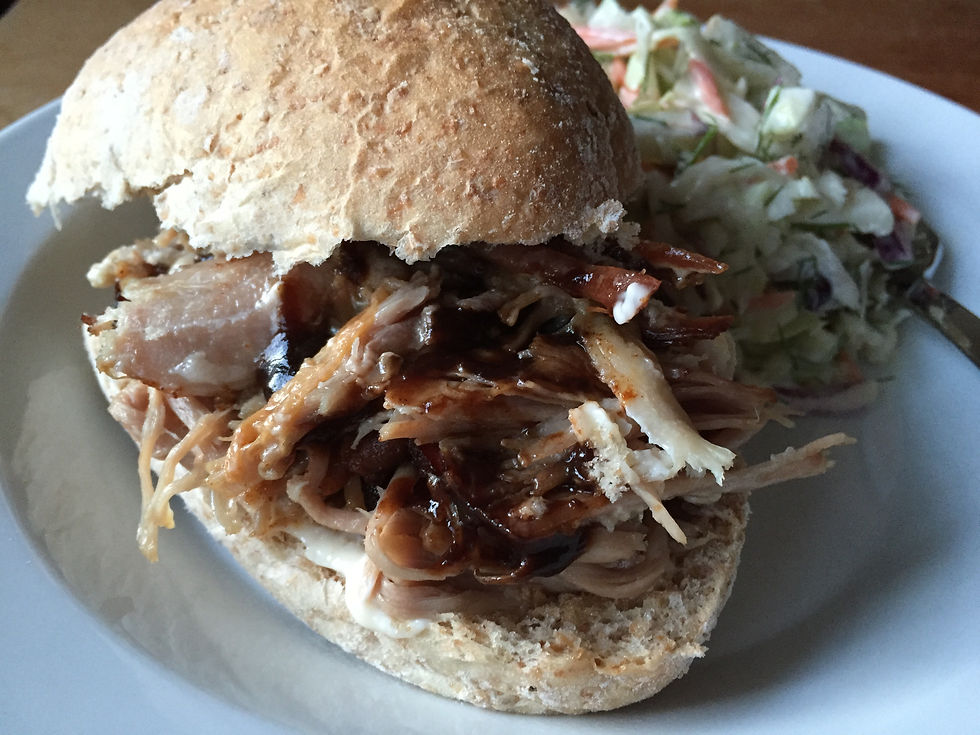
WANT NOT: Pork is safe to eat at an internal temperature of 165° F (75°C). At this point the pork will be cooked and sliceable. But for pulled pork you must cook the meat to the "falling apart" stage. You can also use the same rub for ribs just make sure to peel off the thin skin or “fell” from the back of each rack (loosen then grab with a paper towel and pull off in one piece). The ribs will be smoky and tender if you cook them low and slow, for 3-4 hours.
PINEAPPLE PORK FRIED RICE
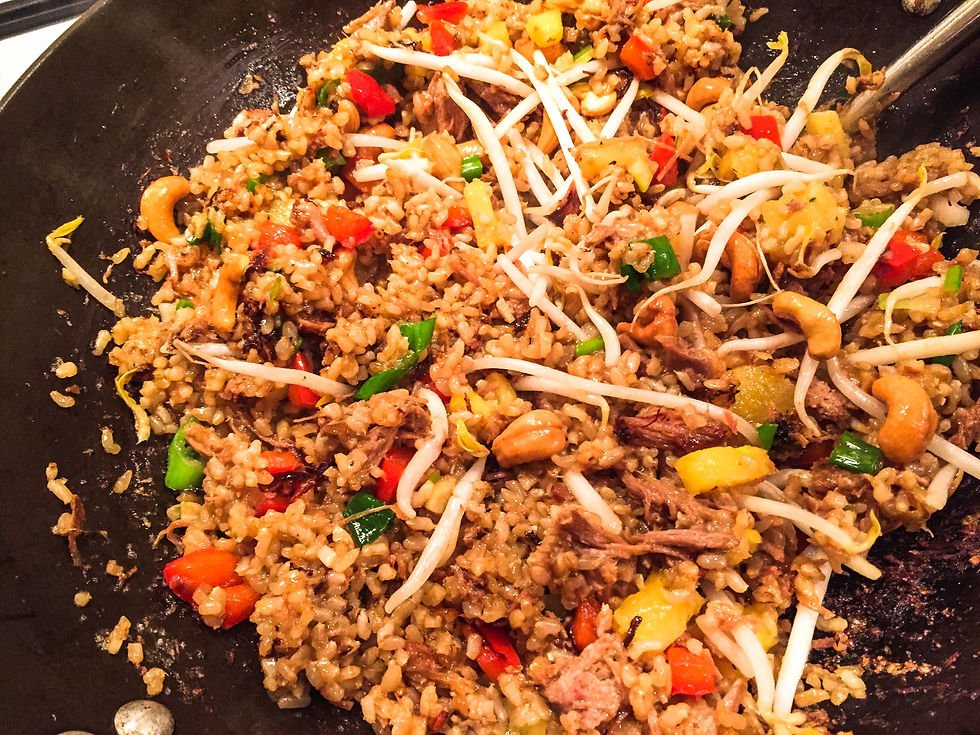
Inspired by a dish at a local take-out spot, this is perfect to make when you have leftover rice and just the end of your smoky pulled pork roast.
3 tablespoons canola oil
1 small onion (or large shallot) slivered
1 clove garlic, minced
½-inch piece ginger, minced
½ pound chopped leftover smoked pork butt
½ cup chopped red bell pepper
3-4 cups cold rice (basmati, jasmine or short grain Japanese brown rice)
1-2 tablespoons oyster sauce
2-3 tablespoons light soy sauce (to taste)
½-1 teaspoon Asian chili paste (or chili crisp)
3 green onions, chopped
1 cup chopped fresh (or frozen) pineapple
2 cups fresh bean sprouts, soaked in cold water to crisp, and drained
Chopped roasted cashews or almonds to garnish
In a wok, heat the oil over medium high heat. When the oil is hot, add the onion, garlic and ginger and stir-fry for a minute, until fragrant. Add the pork and continue to cook until the pork starts to crisp. Add the bell pepper and cook together with the pork, stirring for a minute or two. Then add the rice and stir to coat with oil.
Combine the oyster sauce, soy sauce and chili paste. When the rice starts to brown and crisp, season the rice with the sauce mixture, stirring to combine well.
Add the green onions and pineapple, and stir-fry for a minute to heat through. Stir in the bean sprouts (or pile on top) before serving. A sprinkling of chopped roasted cashews or almonds adds crunch!
Serves 4.
MOO SHU PORK

1 pound leftover roast pork, thinly sliced and slivered
2 tablespoons hoisin sauce (plus more for serving)
2 tablespoons soy sauce, divided
2 eggs, lightly beaten
2 tablespoons canola oil, divided
2 teaspoons sesame oil, divided
1 large clove garlic, minced
1 tablespoon minced ginger
1 large carrot, peeled and cut into fine 2-inch batons
1 large portabello mushroom, gills removed, slivered
½ medium Savoy or Chinese cabbage, finely shredded (or use 3 cups bagged coleslaw mix)
4 baby bok choy, cleaned and shredded
2 green onions, cut into 2-inch shreds
Chinese green onion pancakes, small flour tortillas or butter lettuce leaves (and hoisin sauce for serving)
Finely cut the leftover pork combine with hoisin sauce and 1 tablespoon of soy sauce in a bowl, stirring to combine. Set aside.
Heat 1 tablespoon of the canola oil with 1 teaspoon of the sesame oil in a wok over medium high heat and add the beaten eggs, stirring to softly scramble. Remove from the wok and set aside.
Add the remaining tablespoon of canola oil to the wok. Heat over medium high heat. Stir fry garlic and ginger for a minute, until fragrant, then add the carrots to the wok. Stir fry 2 minutes, then add the slivered portobello mushrooms and cook together for a minute or two, until tender. Add the shredded cabbage (or bagged cole slaw mix) and stir fry together for 5 minutes, until the vegetables are brightly coloured and softened. Stir in the prepared marinated pork and stirfry together for 5 minutes to heat through.
Season with remaining tablespoon of soy sauce. Add reserve scrambled egg, shredded baby bok choy and green onions and stir to combine and heat through. Remove from heat and finish with remaining teaspoon of sesame oil.
Serve your moo shu with panfried Chinese green onion pancakes (find them in the freezer section of you local Asian grocery) or roll the filling up in small flour tortillas (steamed in microwave to heat). You can also use the moo shu for gluten-free lettuce wraps – just scoop it up in tender butter lettuce leaves.
Serves 4.
SPINACH, PORK AND POBLANO TORTILLA CASSEROLE
I like to make this creamy casserole when there’s too much spinach (or chard) in the garden, and leftover pulled pork in the fridge. You can also use shredded barbecued or rotisserie chicken, leftover Christmas turkey, or leave the meat out altogether for a vegetarian dish. Poblanos are big fresh chilies, almost the size of a bell pepper, with a lovely flavour and just a hint of heat — it’s worth finding a source for this great potluck dish.
8 cups fresh spinach (about 2-3 cups cooked)
3 large poblano chilies, roasted (divided)
2 tablespoons butter
1 tablespoon olive oil
1 onion, finely chopped
1 ½-2 teaspoons chili powder
½ teaspoon cayenne pepper
¼ cup flour
1 cup milk
1 cup cream
2-3 cups pulled pork, chopped (or substitute leftover turkey or rotisserie chicken)
1 can niblets corn, drained
½ cup shredded mozzarella cheese
½ pound jalapeno jack cheese, chopped (divided)
24 fresh corn tortillas (about 1 pound)
Sauce:
3 tablespoons butter
3 tablespoons flour
freshly ground black pepper
2 cups chicken broth
¼ cup cream
1 large tomato, seeded and chopped
extra cheese for garnish
Heat a large pot of water to a rolling boil. Add the spinach and press down under the water. Simmer 1 minute the, using a slotted spoon, remove the spinach to a large bowl, filled with ice water. When the spinach is chilled, squeeze the spinach dry, then chop and set aside.
To roast the chilies, char them until blackened on all sides on the barbecue or over a direct gas flame. When they’re nicely blackened, place them into a bowl, cover with plastic wrap and set aside to steam and cool. When the peppers are cool, scrape off the blackened skin, remove and discard the stems and seeds, and chop the roasted chilies. You’ll need two for the filling, and one for the sauce. Set aside.
In a large saucepan, heat the butter until melted, stir in the olive oil and sauté the onion until tender. Stir in the chili powder, cayenne and flour, cooking together to form a smooth thick roux. Slowly add the milk and cream, whisking, to form a very thick sauce. Stir in the chopped spinach, two of the chopped roasted poblanos, the shredded pork and the corn. Cook together until very thick. Remove from heat. Stir in the shredded mozzarella and set aside.
Meanwhile, place the tortillas into a covered container and microwave for a minute to soften (otherwise, soften each tortilla for about 10 seconds per side in a hot pan).
When the filling has cooled, stir in ¾ of the chopped jalapeno jack cheese.
Lightly oil a large shallow baking pan. Place a warm tortilla on your work surface, spoon about 1/3 cup of filling down the centre, roll into a cigar and set, seam side down, into the baking pan. Continue until you have filled all of the tortillas. Squeeze the filled tortillas together in the pan (you can also use two pans).
To make the sauce, heat the butter in a saucepan over medium high heat until melted, stir in the flour to make a roux, then gradually add the stock, whisking to make a creamy sauce. When the sauce is bubbling, whisk in the cream, and heat to a simmer.
Add the reserved roasted poblanos and chopped tomato. Pour the sauce evenly over the filled tortillas. Scatted the reserved chopped jalapeno jack and a little extra shredded mozzarella over top.
Bake the casserole in a 350ºF oven for 30-45 minutes, until bubbly and browned on top. Remove from the oven and let rest for 10 minutes before serving. Served 6-8.
©CindaChavich2026


Comments